 theislanddog.com
Writing lessons
Become a better writer
Become a better writer
College homework can be easy or it can be difficult. Regardless of how knowledgeable you are on a topic, some things are just harder than others. This is especially true if you have chosen a challenging degree field. To help get yourself through the challenges, it is best to have several strategies for homework help. Follow these guidelines to ensure you excel in your classes.
When you do something at the same time each day, the mind starts to expect that. This means that if you sit to do your assignment around the same time, your mind will be clearer and more focused when it is time to get the work done. My Homework Done can help with any subject, from math to biology. You will also find you are less likely to procrastinate.Another great thing about establishing a routine is that you know how much time you have to complete your assignments.

Citation generators, graphing software, math calculators, and other online tools are there for students who need extra help. There are also many free websites that offer video tutorials or general guidelines, all which will help when you are thinking “I need help with my math homework” or “I need help with writing.” By taking advantage of these tools, you are not cheating. Homework is getting impossible to complete Assignment Geek is at your service. You are simply ensuring your academic success.
Technology has made it easier than ever to rely on other students for a little extra help with your assignments. Whether you forgot the exact details of the assignment or you need assistance with the topic, you can easily call, text, or message your friends. The Internet also allows the opportunity to connect with students from around the globe. If you are having trouble with something specific, peer tutoring might be a good option.
How can you focus when it is time to write or to do my math homework if you are in a loud or otherwise distracting environment? If you live on campus and your roommate is particularly loud, try to communicate about the boundaries that you need so you can focus on schoolwork. If they will not listen, consider going to the library. You should also be clear about boundaries if you live at home, requesting alone time and quiet when it is time for you to study.
Another part of this is removing distractions. Do not turn on the computer (unless it is necessary) and put your phone on silent. If you are on the computer, do not run multiple tabs or play games or use social media. By unplugging from these distractions, you will be more focused. This will let you complete your work more easily.
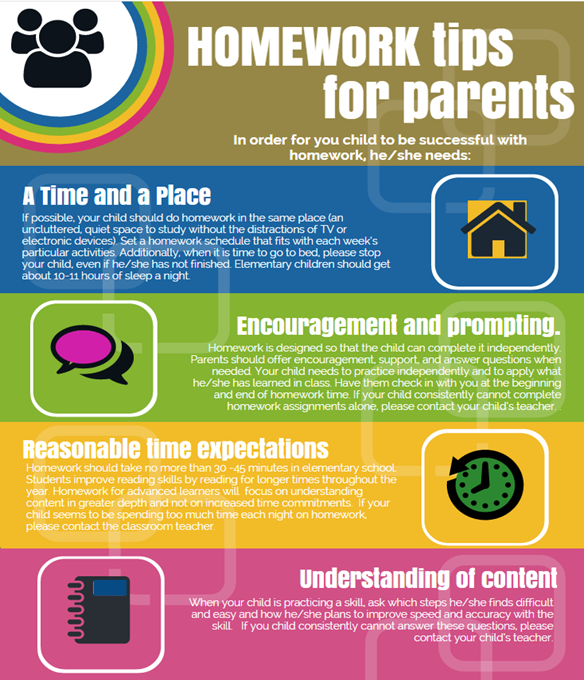
It can be easy to tell yourself you are capable of catching up on your favorite television series or that you can chat with a friend while working. To really give yourself help on homework, you must get rid of the notion that you can multi-task. The problem is that multi-tasking requires your brain to switch back and forth between tasks and each switch takes time. This makes multi-tasking counterproductive.
As a student, it is your responsibility to know when you need help with your school assignments. In these situations, you can pay someone to do homework, rely on tools to make the assignment easier, or use another strategy to get the assignment done.
The following tricks do work!
© 2024 theislanddog.com